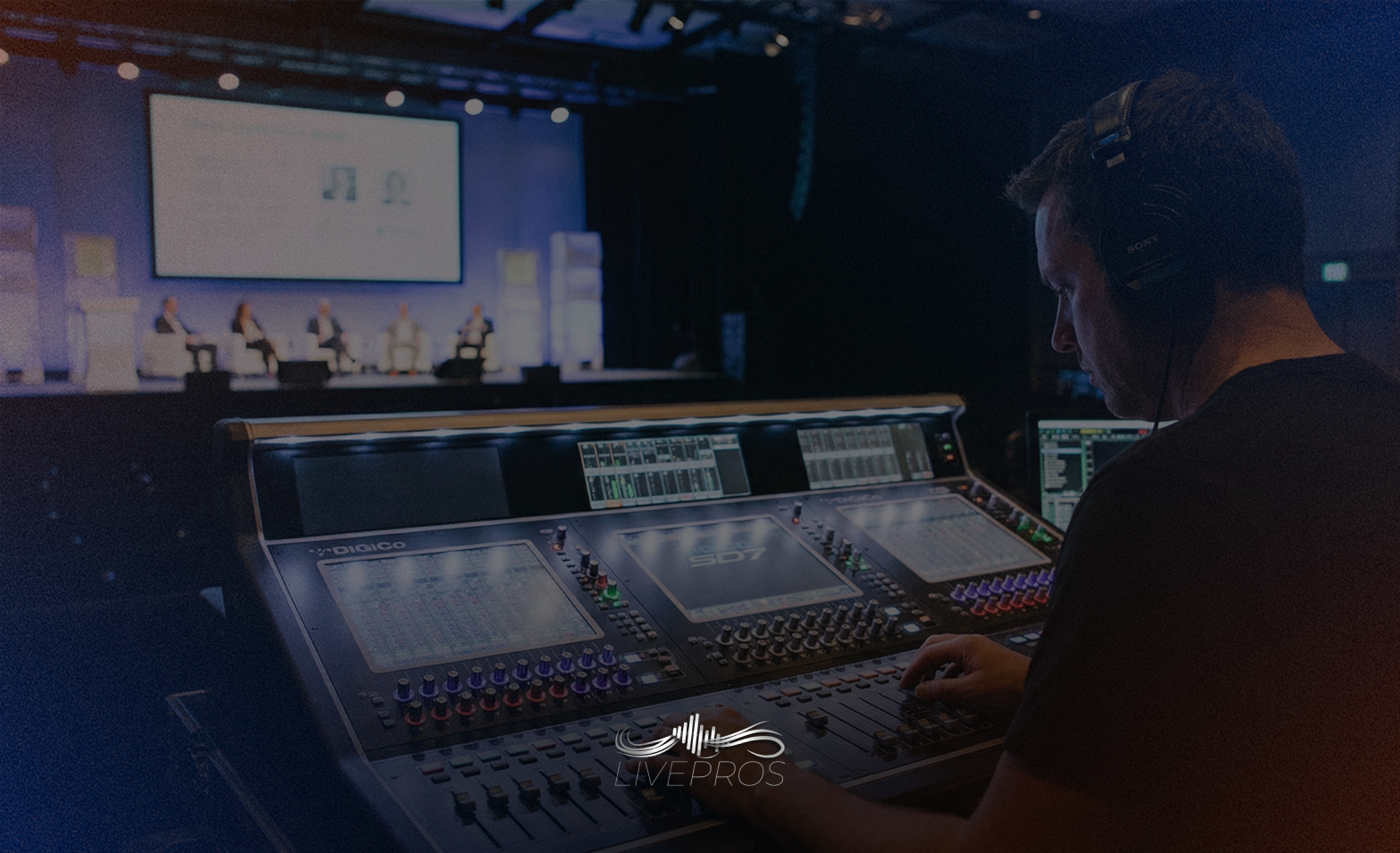
You walk into an event. It could be an education conference, a wedding, or even your cousin’s bar mitzvah. What’s the first thing you notice? The décor, maybe. The stage setup, sure. The food, well, it’s a necessity. But what truly sets the mood within seconds is the music and the audio.
No matter the type of event, sound plays a powerful role in shaping the atmosphere. The right music cue can energize a crowd, signal transitions, or create focus during a keynote. When audio is done well, people feel engaged without even realizing why. It simply works.
Unfortunately, bad audio ruining events is far more common than most planners would like to admit. Feedback squeals, microphones cutting out, uneven volume, or muffled speech can instantly pull people out of the moment and derail even the most carefully planned experience.
The good news is that these problems are not inevitable. With the right event audio support, thoughtful planning, and experienced professionals, most audio issues can be prevented before the first guest even arrives.
In this blog, we’ll explore what goes into a successful event and how sound and music play a bigger role than most people realize.
The Importance of Sound Quality at Live Events
The importance of sound quality goes beyond just being heard. Clear audio builds trust, keeps audiences engaged, and reinforces professionalism. When sound is inconsistent or distorted, attention drops fast. People stop listening, start whispering, or mentally check out.
This is why professional event audio matters more than décor or lighting in many cases. Guests will forgive a simple stage design, but they will not forgive struggling to hear a keynote speaker or wedding vows. Whether it is a small seminar or a large-scale concert, the event sound system sets the tone for the entire experience.
Sound quality also impacts accessibility. Clear audio ensures everyone in the room, including those seated far away, can follow along. That alone underscores the importance of sound quality in modern events.
How Bad Audio Ruins Events
There is a reason planners fear sound issues more than almost anything else. Bad audio ruining events usually happen suddenly and publicly. One moment, everything is fine; the next, feedback echoes through the room, or the microphone is silent.
Some of the most common audio problems at events include volume drops, echo, distortion, wireless interference, and uneven sound coverage. These issues make events feel chaotic, even if everything else is running on time.
When bad audio ruins events becomes the main takeaway, and it affects brand perception, guest satisfaction, and future attendance. In professional settings, it can even undermine credibility. This is why experienced teams focus heavily on live event sound management rather than treating audio as an afterthought.
Professional Event Audio vs Basic Setups
Not all audio setups are created equal. A basic setup might work for a living room or small gathering, but live events demand far more. Professional event audio accounts for venue acoustics, audience size, stage layout, and real-time adjustments.
A properly organized event sound system includes the right microphones, speakers, mixers, and processing tools. More importantly, it includes people who know how to use them. AV equipment for events is only as good as the team managing it.
With professional setups, event audio support is proactive rather than reactive. Instead of fixing problems after they occur, teams focus on preventing audio issues before guests even arrive. That level of planning is what separates smooth events from stressful ones.
Understanding the Core Components of a Professional Event Audio Setup
To truly understand why professional event audio can make or break your event, it helps to look at what actually powers clear, reliable sound. A strong event sound system is never built around a single piece of gear. It is a coordinated setup where each component supports the others to avoid common audio problems at events.
At the foundation of every successful setup is the right AV equipment for events, selected based on the venue, audience size, and event format. When these elements work together, live event sound management becomes predictable rather than reactive, reducing the risk of bad audio ruining events.
Below are the core components that shape sound quality and support effective event audio troubleshooting when needed.
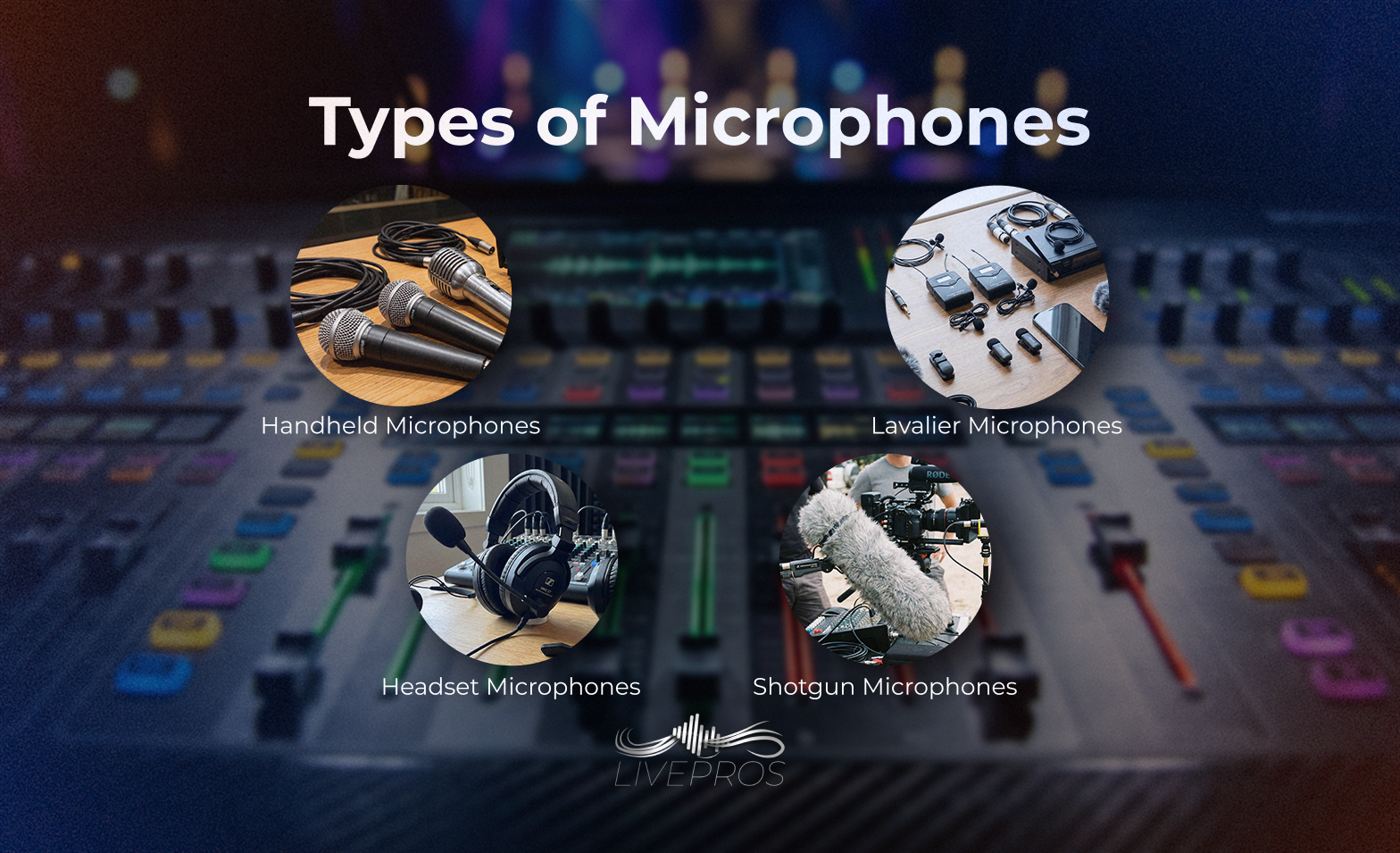
Microphones
Microphones capture the message before it reaches the audience, making them a critical part of any professional event audio setup.
- Handheld microphones work best for interviews, performances, and audience interaction, offering control and durability.
- Lavalier microphones are ideal for speakers who need to move freely while maintaining clarity.
- Headset microphones provide consistent volume for presenters who move frequently on stage.
- Shotgun microphones are commonly used in outdoor or directional environments where background noise must be minimized.
Choosing the right microphone plays a major role in “how to prevent” audio issues, especially feedback and inconsistent volume.
Speakers
Speakers determine how well sound travels across the space. A properly planned event sound system ensures every attendee hears clearly without distortion or dead zones.
- Powered speakers allow faster setup and are well-suited for smaller to mid-sized events.
- Passive speakers offer greater control when paired with external amplification in complex setups.
- Line array systems are essential for large venues and outdoor events requiring wide, even coverage.
- Stage monitors help performers and speakers hear themselves clearly, reducing on-stage confusion.
Speaker selection and placement are key elements of live event sound management and directly affect sound performance.
Mixers
Mixers act as the control hub of the entire audio system. They balance multiple sound sources and help technicians respond quickly to changes during the event.
- Analog mixers are straightforward and effective for smaller setups.
- Digital mixers allow preset storage, advanced processing, and remote control, making them ideal for professional environments.
The right mixer simplifies event audio troubleshooting and supports consistent sound throughout the event.
Processors and Interfaces
Audio processors and interfaces refine sound and support modern event formats.
- Equalizers and compressors improve clarity and prevent distortion.
- Feedback suppressors help control echo-prone venues and reduce interruptions.
- Audio interfaces are essential for hybrid and virtual events, enabling clean audio feeds into streaming platforms.
These tools strengthen event audio support and ensure audio remains controlled, even under changing conditions.
Event AV Equipment Checklist
A reliable AV setup keeps your event on schedule and your message clear. Use this checklist to confirm you have the right audio, video, lighting, power, and backup gear before doors open.
Audio
- Microphones: Handheld, lavalier, headset, podium mic (as needed)
- Mic accessories: Windscreens, clips, spare batteries
- Mixer/Audio console: Digital or analog
- Speakers: Front-of-house (FOH) speakers + subwoofers (if needed)
- Stage monitors: Wedges or in-ear monitors (if needed)
- DI boxes: For laptops/instruments
- Playback audio: Laptop/phone input cables (3.5mm, XLR, RCA)
- Audio recording: Recorder or interface (optional)
Video & Display
- Projector or LED display: Based on venue size and brightness needs
- Screen: Correct size + format (16:9 / 4:3)
- TV monitors: Confidence monitor, lobby display, or overflow room (if needed)
- Cables & adapters: HDMI, SDI, VGA (if required), USB-C dongles, DisplayPort
- Video switcher: For multi-input setups (optional)
- Presentation clicker: With spare batteries
- Laptop(s): Primary + backup for presentations
Lighting
- Front lighting: For speakers and stage visibility
- Wash lights: To cover stage or room evenly
- Spotlight: If needed for presenters/performers
- Lighting controller: DMX board/software (if required)
- Stands/rigging: Tripods, clamps, safety cables
Power & Connectivity
- Power strips: Surge-protected
- Extension cords: Various lengths
- Cable covers/gaffer tape: For safety and clean routing
- UPS/Battery backup: For key AV gear (recommended)
- Internet access: Venue Wi-Fi check + hotspot backup (if needed)
Control & Communication
- Comms: Walkie-talkies/headsets for crew (if needed)
- Timers/cues: Stage timer or cue monitor (optional)
- Run-of-show printouts: For AV and stage team
Setup & Backup Essentials
- Spare batteries: AA/AAA/9V (based on gear)
- Spare cables: HDMI, XLR, power cables
- Adapters kit: USB-C, Lightning, HDMI splitters, audio adapters
- Tools: Tape, zip ties, multi-tool, small screwdriver set
- Sound check + video test: Confirm levels, slides, and playback
- Contingency plan: Backup mic + backup playback device ready to go
Equally important is monitoring. Live technicians constantly adjust levels as speakers change, rooms fill up, and background noise increases. This is the heart of live-event sound management, and one of the biggest reasons professional teams are a must-have.
Common Audio Problems at Events and How to Prevent Them
Understanding common audio problems at events helps planners avoid last-minute chaos. Feedback often occurs due to poor mic placement or incorrect speaker positioning. Echo is usually caused by unaccounted-for room acoustics. Wireless dropouts happen when frequencies are not properly managed.
The solution lies in preparation and expertise. Knowing how to prevent audio issues starts with a thorough soundcheck and venue assessment. Professionals analyze the space, test every microphone, and fine-tune the event sound system long before guests arrive.
Effective event audio troubleshooting happens behind the scenes. When something goes wrong, trained technicians adjust settings instantly without disrupting the experience. This level of control is impossible without proper event audio support and planning.
Live Event Sound Management in Action
Strong live event sound management is about consistency from start to finish. As audiences grow, noise levels change. As speakers move, mic levels must adapt. Music transitions require careful balancing. All of this happens in real time.
With professional teams handling live-event sound management, organizers can focus on the event itself rather than worry about technical hiccups. This approach dramatically reduces the risk of bad audio ruining events and ensures smooth execution.
It also allows for flexibility. Last-minute changes, additional speakers, or schedule adjustments are far easier to manage when the audiovisual services team is experienced and prepared.
Choosing the Right Audio Visual Services Partner
Selecting the right audiovisual services partner is one of the most important decisions in event planning. Look for teams that offer complete event audio support, from planning and setup to live monitoring and teardown.
Reliable audiovisual services include scalable solutions, on-site technicians, and clear contingency plans. They understand how to prevent audio issues and handle event audio troubleshooting without disrupting the event flow.
This is where working with experienced providers like LIVE PROS makes a difference. With deep expertise in professional event audio, event AV equipment, and live production, their teams focus on delivering clarity, consistency, and confidence at every stage.
Make Your Next Event a Success with Professional Event Audio by LIVE PROS
At the end of the day, professional event audio is not a luxury. It is a necessity. The importance of sound quality cannot be overstated, especially when audiences expect seamless, engaging experiences.
By investing in the right event sound system, expert event audio support, and reliable audiovisual services, you dramatically reduce the risk of bad audio ruining events. You also ensure that common audio problems at events are addressed before they ever reach your audience.
LIVE PROS brings that level of expertise to every event. With hands-on experience across diverse event formats, their team anticipates challenges early and resolves them before the audience ever notices. From initial planning and equipment selection to live sound management and on-site support, every detail is handled with precision.
When sound works perfectly, no one notices. When it does not, everyone remembers. Choosing professional audio means choosing peace of mind, clarity, and events that sound as good as they look.